Category: Volume 3 and Issue 1 of 2023

  • DEVADASI SYSTEM IN INDIA- HISTORICAL BACKGROUND & SUPREME COURT STANCES ON IT.

    DEVADASI SYSTEM IN INDIA- HISTORICAL BACKGROUND & SUPREME COURT STANCES ON IT.

    DEVADASI SYSTEM IN INDIA- HISTORICAL BACKGROUND & SUPREME COURT STANCES ON IT.

    Authors: Tanaya Wageshwari, Assistant Professor at RNB Global University, Bikaner

    Best Citation – Tanaya Wageshwari, DEVADASI SYSTEM IN INDIA- HISTORICAL BACKGROUND & SUPREME COURT STANCES ON IT, Indian Journal of Legal Review (IJLR), 3 (1) of 2023, Pg. 385-391, ISSN – 2583-2344.

    ABSTRACT

    Calling them devadasis we insult God himself in the name of religion- Mahatma Gandhi

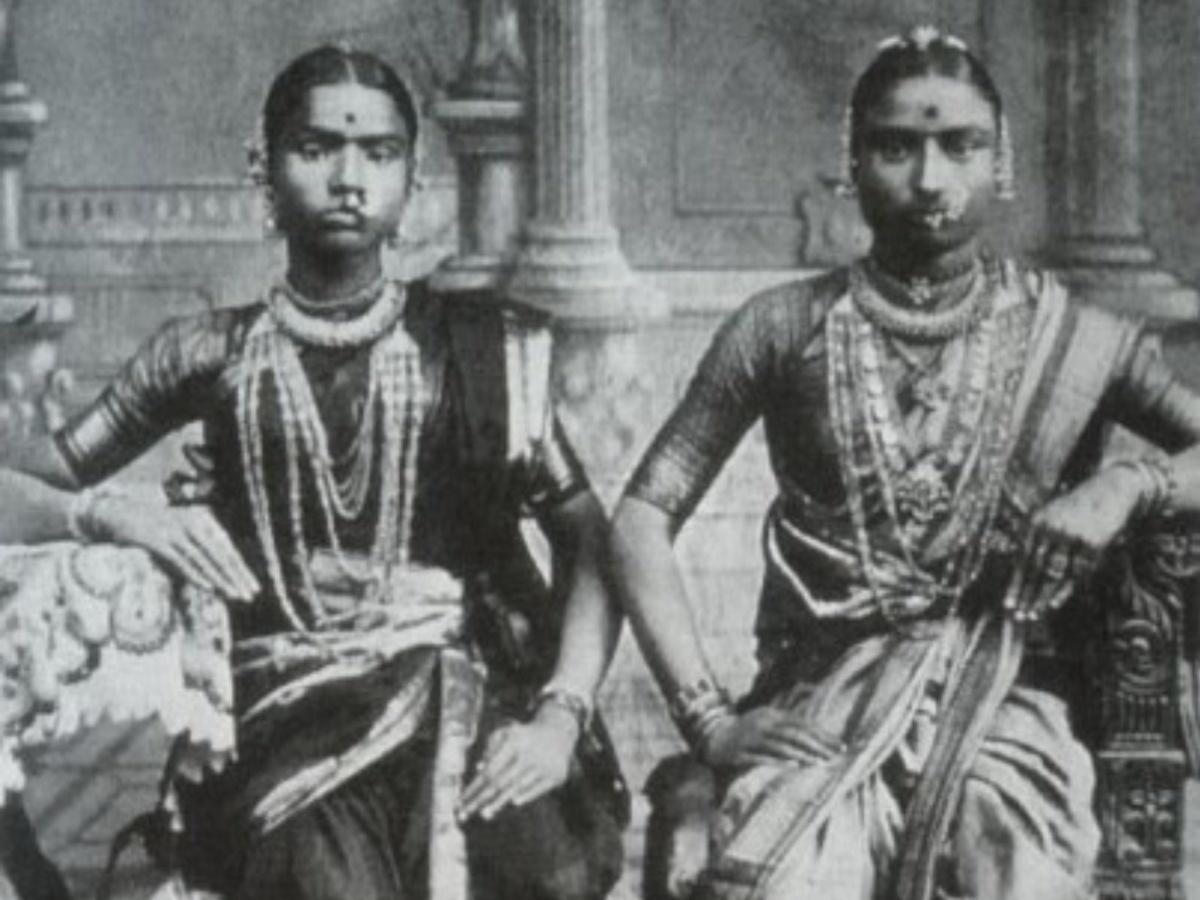
    In India, a system of ritualized prostitution, known as Devdasi system which is a social stigma to a great extent adopted in India. The word Devadasi has its origin from two Sanskrit words; Devand Dasi which means female servant of God.

    In this system, a girl is dedicated to a temple usually before reaching the age of puberty. The researcher would like to throw the light on the history of this system. In this research; the researcher would like to contextualize the historical and cultural underpinnings of this system and also the evolution of this practice to the modern day.

    This paper explains what our judicial system and its authority can do to truly combat this practice. The researcher dealt with all the stances taken by the Supreme Court on this ritualized prostitution system. This research aims to understand the exclusion experienced by the women where they have been victims of this practice.

    Since, the topic is yet to be discussed in detail in the society, I through this paper have tried to replicate the scenario and have thought of showing its various implications. Leaving you with the question to ponder about this practice and its various dimensions?

    Key words: Devadasi system, prostitution, Social exclusion, victims, Social stigma.

  • A CRITICAL ANALYSIS OF THE LGAL INCLUSIVENESS OF SEXUAL MINORITIES IN INDIA

    A CRITICAL ANALYSIS OF THE LGAL INCLUSIVENESS OF SEXUAL MINORITIES IN INDIA

    A CRITICAL ANALYSIS OF THE LGAL INCLUSIVENESS OF SEXUAL MINORITIES IN INDIA

    Authors: Dr. PREM CHANDRA, Assistant Professor at Sardar Patel Subharti Institute of Law, Swami Vivekanand Subharti University, Meerut.

    Best Citation – Dr. PREM CHANDRA, A CRITICAL ANALYSIS OF THE LGAL INCLUSIVENESS OF SEXUAL MINORITIES IN INDIA, Indian Journal of Legal Review (IJLR), 3 (1) of 2023, Pg. 377-384, ISSN – 2583-2344.

    Abstract

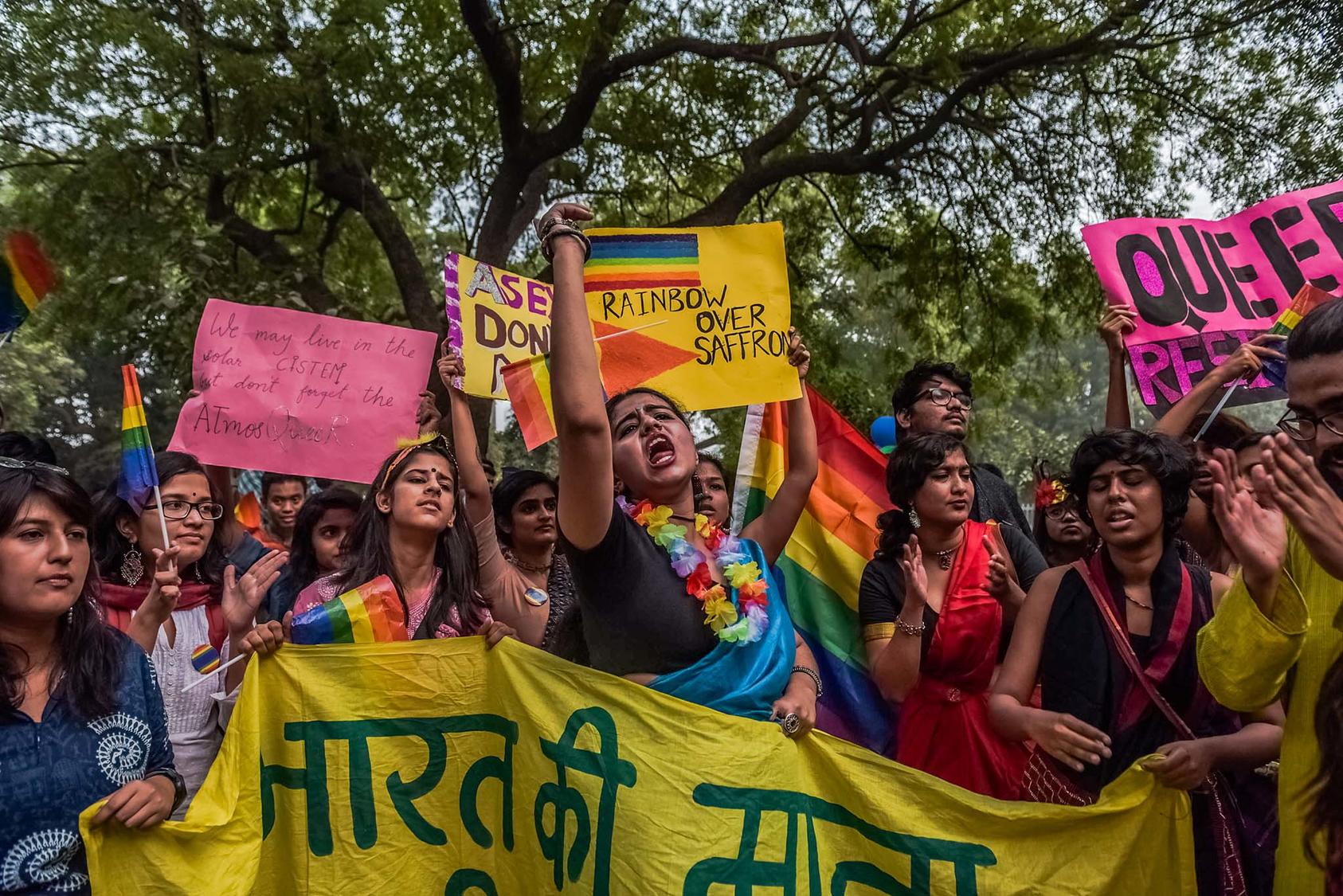
    The world over it has been recognized that for the rights of transgender and intersex persons to be recognized, one of the first things needed is legislation that would recognize their right to gender identity without medical or psychological documents. A transgender or intersex person shall not be required to provide proof of a surgical procedure for total or partial genital reassignment, hormonal therapies or any other psychiatric, psychological or medical treatment to make use of the right to gender identity. The Yogyakarta Principles were adopted in 2007 are principles on the application of International Human Rights Law in relation to Sexual Orientation and Gender Identity. Principle 3 of the Yogyakarta Principles talks about the Right to Recognition before the Law. It states that each person’s self-defined sexual orientation and gender identity is integral to their personality and is one of the most basic aspects of self-determination, dignity and freedom. No one shall be forced to undergo medical procedures, including sex reassignment surgery, sterilization or hormonal therapy, as a requirement for legal recognition of their gender identity. It also provides that States shall take all necessary legislative, administrative and other measures to fully respect and legally recognize each person’s self-defined gender identity and ensure that procedures exist whereby all State-issued identity papers which indicate a person’s gender, including birth certificates, passports, electoral records and other documents reflect the person’s self-determined gender identity.

    KeyWords: Gender, equality, sexual minority, dignity, self-determination.

  • Privacy protection in e-commerce from self-regulation perspective

    Privacy protection in e-commerce from self-regulation perspective

    Privacy protection in e-commerce from self-regulation perspective

    Authors: Rishav Sengupta, Student of CHRIST (Deemed to be University), Bangalore

    Best Citation – JIPSON JOSEPH, RIGHTS OF THE ACCUSED IN A RAPE CASE, Indian Journal of Legal Review (IJLR), 3 (1) of 2023, Pg. 370-376, ISSN – 2583-2344.­

    Abstract

    Internet was created in the year 1983 and since then internet serves as a platform for commercial transactions. To speed up commercialization, online commercial methods were developed. Over time, the internet expanded enormously, which boosted commercialization online. E-commerce is another name for online commerce. E-commerce has altered the conventional approach and brought all businesses and customers together under one roof where they can easily interact with one another. Privacy is a key component of e-commerce, and protecting the community’s right to privacy is critical. E-commerce increases the danger for consumers involved in e-commerce transactions while offering them little power to defend their right to privacy. Self-regulation is considered as a practical solution for maintaining consumer security and legal protection in e-commerce transactions. The United States places emphasis on a self-regulation model. India has not yet fully grasped the self-regulatory issue of preserving data privacy in e-commerce transactions. Business participants and consumers must act quickly to self-regulate in order to guarantee that consumers’ privacy rights are protected in e-commerce transactions.

  • SEZ IN INDIA: CURRENT TRENDS AND IMPACT ASSESSMENT ON SUNSET CLAUSE

    SEZ IN INDIA: CURRENT TRENDS AND IMPACT ASSESSMENT ON SUNSET CLAUSE

    SEZ IN INDIA: CURRENT TRENDS AND IMPACT ASSESSMENT ON SUNSET CLAUSE

    Authors: SHAFALI JAIN, Student of CHRIST (Deemed to be University), Bangalore

    Best Citation – JIPSON JOSEPH, RIGHTS OF THE ACCUSED IN A RAPE CASE, Indian Journal of Legal Review (IJLR), 3 (1) of 2023, Pg. 362-369, ISSN – 2583-2344.

    Abstract

    Many developing nations have embraced special economic zones (SEZs) as a tool for policy to encourage industrialization and economic development. The World Development Report 2020 acknowledges the potential of SEZs as a tool for facilitating participation in the global value chain. SEZs in developing nations have had a generally mixed record as a “high-risk, high-reward” device. Some countries or regions have drastically different results. An SEZ is intended to support market forces by assisting in the resolution of market imperfections as a tool for industrial policy. Even when a zone approach is required and practical, the host government must still choose which kind of zone is best. SEZs frequently entail a “special” legal and regulatory framework, and they may be acceptable if the primary restrictions are connected to legal and regulatory difficulties that, in addition to other constraints, have an impact on the business environment. Following the current trends, the paper entails the implication of government withdrawal on its schemes and sunset clauses as well as impact assessment of the sunset clause.

    Keywords: Special Economic Zone, Industrial Development, Industrialization, Development Strategy

  • PERILS AND DEMURS OF INDIAN PRISONERS

    PERILS AND DEMURS OF INDIAN PRISONERS

    PERILS AND DEMURS OF INDIAN PRISONERS

    Authors: E. Sindhu Varshini, Student of Chennai Dr. Ambedkar Government Law College

    Best Citation – E. Sindhu Varshini, PERILS AND DEMURS OF INDIAN PRISONERS, Indian Journal of Legal Review (IJLR), 3 (1) of 2023, Pg. 356-361, ISSN – 2583-2344.

    ABSTRACT

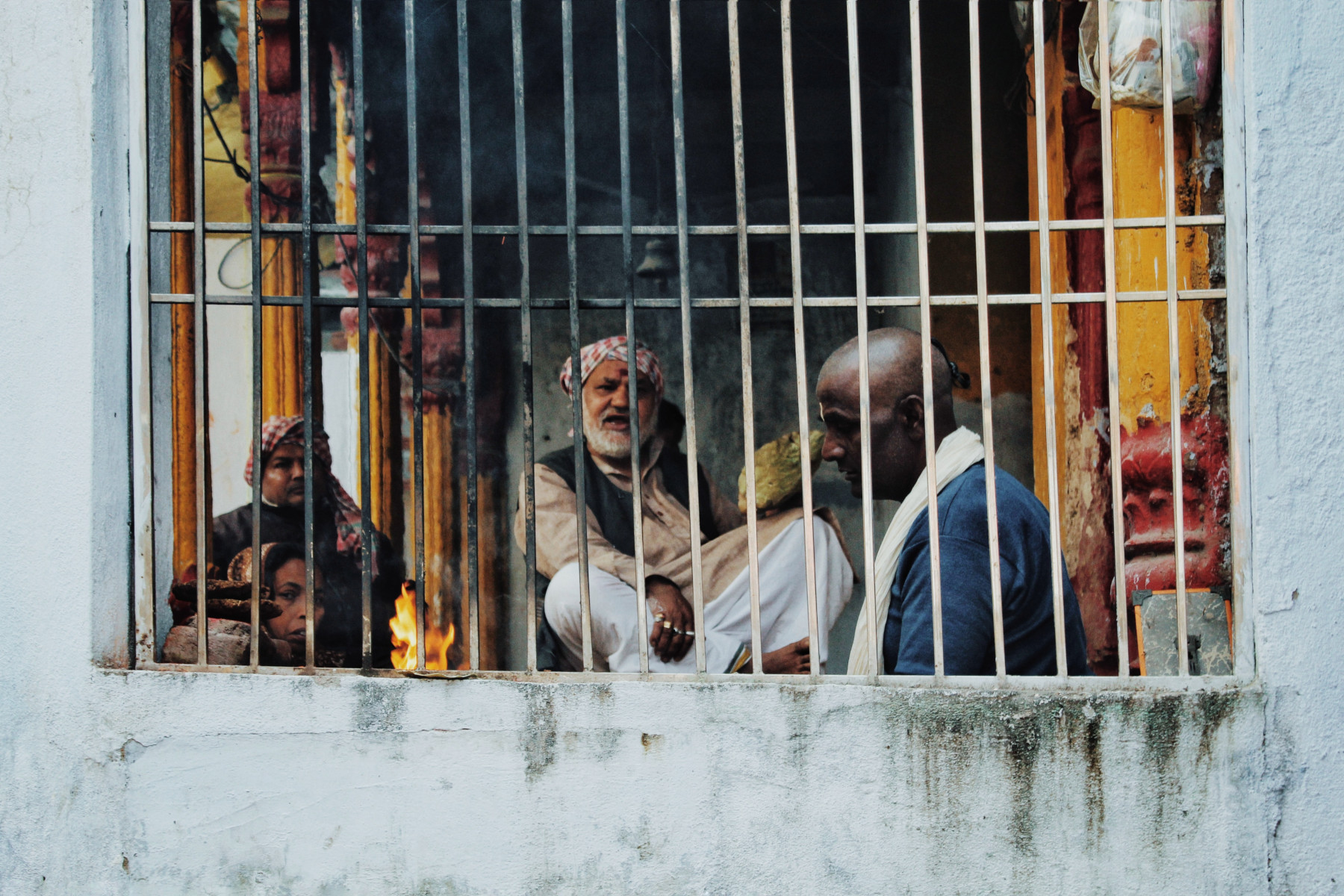
    In Jail there are different types of Prisoners such as under trial prisoners, convicts, detenues[1], women and other genders these people are also victim of prison life in India, they face harassment and exploitations which are hellacious on human life. There has been great advantage and disadvantage of Article 22 in India. Such as, Article 22 states that it has right against arrest and detention. Whereas, its own clause 3 paves way for illegal detention in India provoking ill-mannered, felonious and unlawful acts towards the prisoners and accused. Today the deprived living of Prisoners inside the Jail is the indicia that the constitutional provisions are turn about to be unconstitutional facing custodial rape, abuse, torture, death, unhealth, overcrowding of prisoners in Jail. All prisoners are entitled to basic fundamental rights and dignity inside the jail anybody acting against this need to be effectively punished and revivified to Prisoners to live with decency. We need to create awareness and voice out so that we can create better society with free bird and other citizens commonly for our generation.


    [1]BATES, S.: “Prison Administration,” Ann. Amer. Acad. 157: 53-61 (Sept., 1931).

  • PROHIBITION OF PYRAMID SCHEMES AND REGULATION OF DIRECT SALES IN INDIA

    PROHIBITION OF PYRAMID SCHEMES AND REGULATION OF DIRECT SALES IN INDIA

    PROHIBITION OF PYRAMID SCHEMES AND REGULATION OF DIRECT SALES IN INDIA

    Authors: Shruthi Saravanan & Maanas Manoj Menon, Students of Symbiosis Law School, Hyderabad

    Best Citation – Shruthi Saravanan & Maanas Manoj Menon, PROHIBITION OF PYRAMID SCHEMES AND REGULATION OF DIRECT SALES IN INDIA, Indian Journal of Legal Review (IJLR), 3 (1) of 2023, Pg. 348-355, ISSN – 2583-2344

    ABSTRACT

    Pyramid schemes will progress and not cease to exist as long as new participants continue join at the bottom level to keep expanding the pyramid’s foundation. The overall structure starts to collapse when the number of viable and willing participants recedes. Pyramid schemes cannot survive for a substantial duration, as the design/structure solely depends on the perpetual recruitment by the participants. Further, due to the delay in payments made by the new recruits, at times, even the top-level members tend to incur heavy financial loss. This nature of the pyramid scheme threatens to destabilize the financial assets of individuals and as a result, pose as a threat to the economy.  The paper analyses the Consumer Protection (Direct Selling) Rules, 2021 (herein, referred to as the ‘2021 guidelines’) to widen the difference between illegal pyramid schemes and legal direct selling entities. Additionally, the paper analyses the improvements brought by the 2021 guidelines compared to the Direct Selling Guidelines, 2016 (herein, referred to as the ‘2016’ guidelines’).   The paper has also objectively studied the 2021 guidelines and the Consumer Protection Act, 2019 side by side to derive express and implied liabilities of direct sellers and entities. Finally, a comparative analysis of the laws of Singapore and India pertaining to the subject matter to figure out the scope for development of the provisions laid down by the Central government has been comprehensively discussed in the paper.

  • RIGHTS OF THE ACCUSED IN A RAPE CASE

    RIGHTS OF THE ACCUSED IN A RAPE CASE

    RIGHTS OF THE ACCUSED IN A RAPE CASE

    Authors: JIPSON JOSEPH, Student of CHRIST (Deemed to be University), Bangalore

    Best Citation – JIPSON JOSEPH, RIGHTS OF THE ACCUSED IN A RAPE CASE, Indian Journal of Legal Review (IJLR), 3 (1) of 2023, Pg. 339-347, ISSN – 2583-2344.

    Abstract

    Rape is a man’s physical interference into the most sacred space of a woman without her permission. Rapist should be given maximum of punishment. The dignity of the woman needs to be protected by the society. But at the same time, there is an alarming increase in the number of false allegations of rape in the post 2013 society. Some women falsely accuse men of rape due to some other reasons. The accused men, as a result, lose their reputation, dignity, and peaceful life, which should be a matter of serious concern for the entire society. Some women utilise the measures provided for their protection to revenge their enemies. Until the final verdict, the accusation is in a shadow of doubt. Rape being considered as one of the most heinous crimes, the accusation and the then exposition of the identity of the accused itself is the most severe punishment than the real conviction at a later point of time. As the fake rape cases are increasing day-by-day there is the need to address its consequences and also the importance of protecting the rights of the accused until the final verdict in a rape case.

  • FOOD FORTIFICATION: AN EFFECTIVE TOOL TO COMBAT HIDDEN HUNGER?

    FOOD FORTIFICATION: AN EFFECTIVE TOOL TO COMBAT HIDDEN HUNGER?

    FOOD FORTIFICATION: AN EFFECTIVE TOOL TO COMBAT HIDDEN HUNGER?

    Authors: Srushti S Kekre, Student of Gujarat National Law University

    Best Citation – Srushti S Kekre, FOOD FORTIFICATION: AN EFFECTIVE TOOL TO COMBAT HIDDEN HUNGER?, Indian Journal of Legal Review (IJLR), 3 (1) of 2023, Pg. 329-338, ISSN – 2583-2344.

    ABSTRACT

    Hidden hunger is one of the most profound socio-economic issues across the globe.  It is the root cause of many diseases, lower immunity, irreversible abnormalities and lesser economic security. Food Fortification has been practised globally to mitigate hidden hunger. It is a remarkable technological advancement with multiple benefits. In many countries viz. Canada, Switzerland and Nigeria fortification practices have improved the health and immunity of the target population. However, indiscriminate use of fortification may lead to degradation of public health.

    India has been practicing voluntary fortification of various food products since the 1950s. Fortified rice and wheat in various districts of Odisha and Bengal have significantly improved the health of women and children. Recently, the Food Safety and Standards Authority of India has proposed mandatory fortification of edible oil, milk and rice from 2024. Health of the people is one of the most imperative aspects of public policy and fortification practices will yield results only if implemented in a systematic manner on the basis of comprehensive law or guidelines. This article makes an attempt to analyse the impact of mandatory fortification on the target population. Further, the article discusses the lacunae in the existing legal framework regarding food fortification practices. Lastly, the article will conclude with plausible solutions which can be adopted in the best interest of all the stakeholders.

  • Emerging Paradigm of WTO for the Trade and IPR Growth of Afghanistan: A Legal Discourse               

    Emerging Paradigm of WTO for the Trade and IPR Growth of Afghanistan: A Legal Discourse               

    Emerging Paradigm of WTO for the Trade and IPR Growth of Afghanistan: A Legal Discourse               

    Authors: Sayed Mahdi Sadat Nasiri, Student of American University of Afghanistan

    Best Citation – Sayed Mahdi Sadat Nasiri, EMERGING PARADIGM OF WTO FOR THE TRADE AND IPR GROWTH OF AFGHANISTAN: A LEGAL DISCOURSE, Indian Journal of Legal Review (IJLR), 3 (1) of 2023, Pg. 321-328, ISSN – 2583-2344.

    Abstract

    WTO membership has always been a key component of Afghanistan’s overarching strategic goals. Joining the WTO was seen as a chance for a post-conflict, landlocked, and least-developed economy to create economic stability, enhance regional security and cooperation, reduce poverty, and bring about peace. Afghanistan has been trying to join the multilateral trading system for eleven years. The article analyses the advantages and disadvantages of Afghanistan’s WTO membership while seeking to explain the difficulties that would arise after accession. Afghanistan’s development priorities will be met by the terms and conditions of its WTO membership. Among them include promoting domestic reforms for the country’s transition to a prosperous market economy, luring capital, and job-generating investments. The study employed a doctrinal method of research and was limited to the accession of Afghanistan to the WTO.

    Keywords:WTO, TRIPS, Accession, role of WTO in Afghanistan, trade and service

  • CONFLICT BETWEEN COMPETITION LAW AND INTELLECTUAL PROPERTY RIGHTS: COMPARATIVE STUDY BETWEEN INDIA AND THE USA

    CONFLICT BETWEEN COMPETITION LAW AND INTELLECTUAL PROPERTY RIGHTS: COMPARATIVE STUDY BETWEEN INDIA AND THE USA

    CONFLICT BETWEEN COMPETITION LAW AND INTELLECTUAL PROPERTY RIGHTS: COMPARATIVE STUDY BETWEEN INDIA AND THE USA

    Authors: SURIYA ADILA, Advocate from GUJARAT NATIONAL LAW UNIVERSITY

    Best Citation – SURIYA ADILA, CONFLICT BETWEEN COMPETITION LAW AND INTELLECTUAL PROPERTY RIGHTS: COMPARATIVE STUDY BETWEEN INDIA AND THE USA, Indian Journal of Legal Review (IJLR), 3 (1) of 2023, Pg. 314-320, ISSN – 2583-2344.

    ABSTRACT

    The hallmark of contemporary modern world is technological advancement and rigorous economic activity. Technological advancements and economic activities have reached unimaginable heights and continue to grow even further. The end goal of this technological advancement and economic activity is to serve the people, primarily by increasing the standard of living of the people, or to put it in other words welfare of people is the end goal. The two most important laws, which the states use to oversee or regulate the sphere of technological and economic activity are Competition Law and Intellectual Property Rights laws.

    Both the legal regimes, Competition Law and Intellectual Property Rights law, seek to serve the same purpose of economic development, enhancing innovation and technology, and welfare of the consumer. Thus, arises the interesting discourse of how two legal regimes, intending to serve the same purpose come into apparent conflict with each other. The simplistic answer to that question can be that it perhaps is the inclusionary approach of one and exclusionary approach taken by another that brings these two legal regimes into an apparent conflict with each other. The IPR law regime, though cannot be faulted for granting exclusionary rights to the inventor for her invention as it is just and fair that an inventor is rewarded for his creation, however again the emphasis must be welfare of people. Thus, the moot question that ultimately comes forth is, how are the rights of inventor balanced to ensure that the welfare of people is maintained, and the purposes of Competition Law is not defeated.