Blog

Assessing The Unlawful Activities (Prevention) Act, 1967 (UAPA) And Its Impact on Human Rights

Assessing The Unlawful Activities (Prevention) Act, 1967 (UAPA) And Its Impact on Human Rights

Authors: Anmol Niranjan, Student of Institute of Law Nirma University

Best Citation – Anmol Niranjan, Assessing The Unlawful Activities (Prevention) Act, 1967 (UAPA) And Its Impact on Human Rights, Indian Journal of Legal Review (IJLR), 3 (1) of 2023, Pg. 409-416, ISSN – 2583-2344.

Abstract

The Criminal Law Amendment Act was passed by the British Raj in 1908, which is when the British Raj-era UAPA first appeared. In independent India, it was presented as a bill in 1966, and it was made into law in 1967. The 1967 amendment to the Act was made to handle organisations that supported separatist movements opposed to the integrity and sovereignty of the nation. The UAPA was the primary item of legislation to reduce the frequency of terror acts.

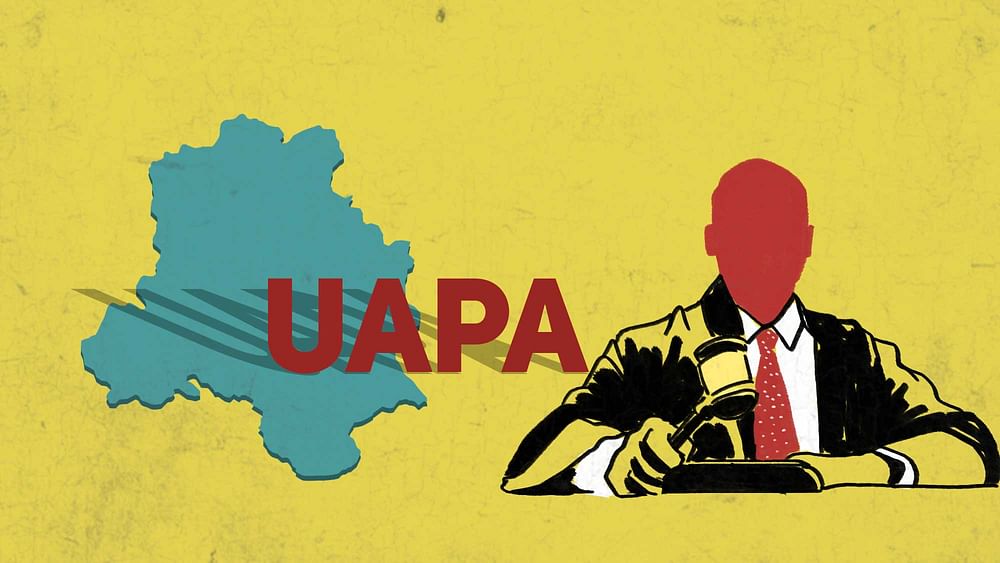
The present study analyses the UAPA and its effect on Human Rights. The researcher has discussed the statutory provision of UAPA and how they are interfering with Human Rights. According to government figures, there have been 72% more arrests made under the UAPA in 2019 than there were in 2015. Since the Act’s terms are stiffer and non-bailable than those of other criminal offences, it imposes unfair and unjustifiable restrictions on a person’s human rights. It cannot be disputed that anyone who opposes the existing government system may be subject to this act. The researcher further concludes that National security is of the utmost importance in preserving a nation’s sovereignty and integrity. A sovereign nation’s government must create strong anti-terror legislation that might defend the nation and its people against such attacks. To combat terrorist forces or external aggression perpetrated by any insurgency, the government of a sovereign nation must develop effective anti-terror legislation capable of defending the state and its people. The fundamental human rights protected by our Constitution and the Universal Declaration of Human Rights cannot be compromised by the unrestrained exercise of authority.

LIVING CONSTITUTION AND CONSTITUTIONALISM

LIVING CONSTITUTION AND CONSTITUTIONALISM

Authors: PRIYANSHI JAIN, Student of DHARMASHASTRA NATIONAL LAW UNIVERSITY, JABALPUR

Best Citation – PRIYANSHI JAIN, LIVING CONSTITUTION AND CONSTITUTIONALISM, Indian Journal of Legal Review (IJLR), 3 (1) of 2023, Pg. 401-408, ISSN – 2583-2344.

ABSTRACT

This research paper is an analysis of the idea of ‘living constitution’, as a common feature of the constitutional practice in democratic countries. The main finding of this research is whether our constitution of India is a static or a living document. There seems to be different arguments in favour of as well as in against of this idea. So this research will come up with conclusion based on this.

India has a Constitution which is living, adapting, and changing, simultaneously invincibly stable and impervious to human manipulation. This research will find out whether our constitution of India is static or living document. And this research will analyse the different elements and aspects related to living constitution of India.

Constitutionalism is a concept based on the idea of restraining the power of Government through law of land and to promote the concept of limited government. This research will throw the light on this concept and will explain how constitutionalism has been achieved through constitution.

Now since this practice of constitutionalism is being challenged by various huddles and is being continuously declining. So this research will analyse those factors behind this. This research will also work upon the relation between living constitution and constitutionalism, whether they are interrelated and interdependent or not. Hence this research will come up with few findings on the basis of all these.

Ethical Standards for Lawyers in India: Legislative Counsel versus Advocate

Ethical Standards for Lawyers in India: Legislative Counsel versus Advocate

Authors: Devika Gulati, Alumni of LLM in Drafting Legislation, Regulation, and Policy at the Institute of Advanced Legal Studies, University of London

Best Citation – Devika Gulati, Ethical Standards for Lawyers in India: Legislative Counsel versus Advocate, Indian Journal of Legal Review (IJLR), 3 (1) of 2023, Pg. 392-400, ISSN – 2583-2344.

Abstract

The aim of this article is to start a dialogue on the idea of an independent ethics’ code in a written form for the Indian legislative drafting community. For this purpose, I have compared the Advocates’ ethics enumerated in the Bar Council of India Rules, with the Legislative Counsel’s ethics, most of which are reflected in Indian academic writings and some find a general mention in the CCS Rules. This comparative analysis is done on the basis of the five dimensions introduced by Anne Seidman, Robert B Seidman and Nalin Abeyesekere, namely, I. Scope of Duties, II. Duty of Loyalty, III. Competence, IV. Confidentiality, and V. Terminating or Declining Instructions. It is observed that their ethical duties are glaringly similar. The similarity in ethics between the two professions aids the readers to imagine a separate written code for the Legislative Counsels, just like the one for Advocates, to help drafters solve several drafting dilemmas that may come their way

DEVADASI SYSTEM IN INDIA- HISTORICAL BACKGROUND & SUPREME COURT STANCES ON IT.

DEVADASI SYSTEM IN INDIA- HISTORICAL BACKGROUND & SUPREME COURT STANCES ON IT.

Authors: Tanaya Wageshwari, Assistant Professor at RNB Global University, Bikaner

Best Citation – Tanaya Wageshwari, DEVADASI SYSTEM IN INDIA- HISTORICAL BACKGROUND & SUPREME COURT STANCES ON IT, Indian Journal of Legal Review (IJLR), 3 (1) of 2023, Pg. 385-391, ISSN – 2583-2344.

ABSTRACT

Calling them devadasis we insult God himself in the name of religion- Mahatma Gandhi

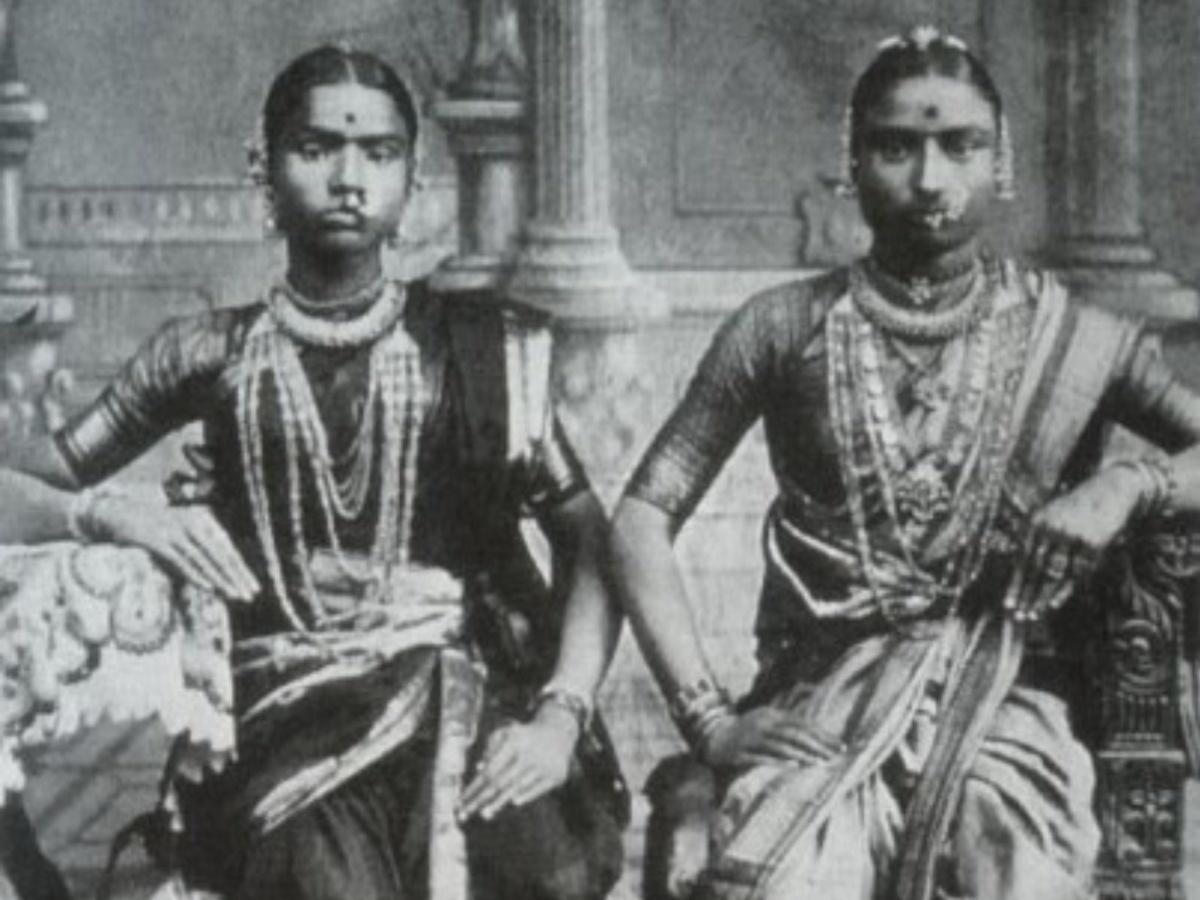
In India, a system of ritualized prostitution, known as Devdasi system which is a social stigma to a great extent adopted in India. The word Devadasi has its origin from two Sanskrit words; Devand Dasi which means female servant of God.

In this system, a girl is dedicated to a temple usually before reaching the age of puberty. The researcher would like to throw the light on the history of this system. In this research; the researcher would like to contextualize the historical and cultural underpinnings of this system and also the evolution of this practice to the modern day.

This paper explains what our judicial system and its authority can do to truly combat this practice. The researcher dealt with all the stances taken by the Supreme Court on this ritualized prostitution system. This research aims to understand the exclusion experienced by the women where they have been victims of this practice.

Since, the topic is yet to be discussed in detail in the society, I through this paper have tried to replicate the scenario and have thought of showing its various implications. Leaving you with the question to ponder about this practice and its various dimensions?

Key words: Devadasi system, prostitution, Social exclusion, victims, Social stigma.

A CRITICAL ANALYSIS OF THE LGAL INCLUSIVENESS OF SEXUAL MINORITIES IN INDIA

A CRITICAL ANALYSIS OF THE LGAL INCLUSIVENESS OF SEXUAL MINORITIES IN INDIA

Authors: Dr. PREM CHANDRA, Assistant Professor at Sardar Patel Subharti Institute of Law, Swami Vivekanand Subharti University, Meerut.

Best Citation – Dr. PREM CHANDRA, A CRITICAL ANALYSIS OF THE LGAL INCLUSIVENESS OF SEXUAL MINORITIES IN INDIA, Indian Journal of Legal Review (IJLR), 3 (1) of 2023, Pg. 377-384, ISSN – 2583-2344.

Abstract

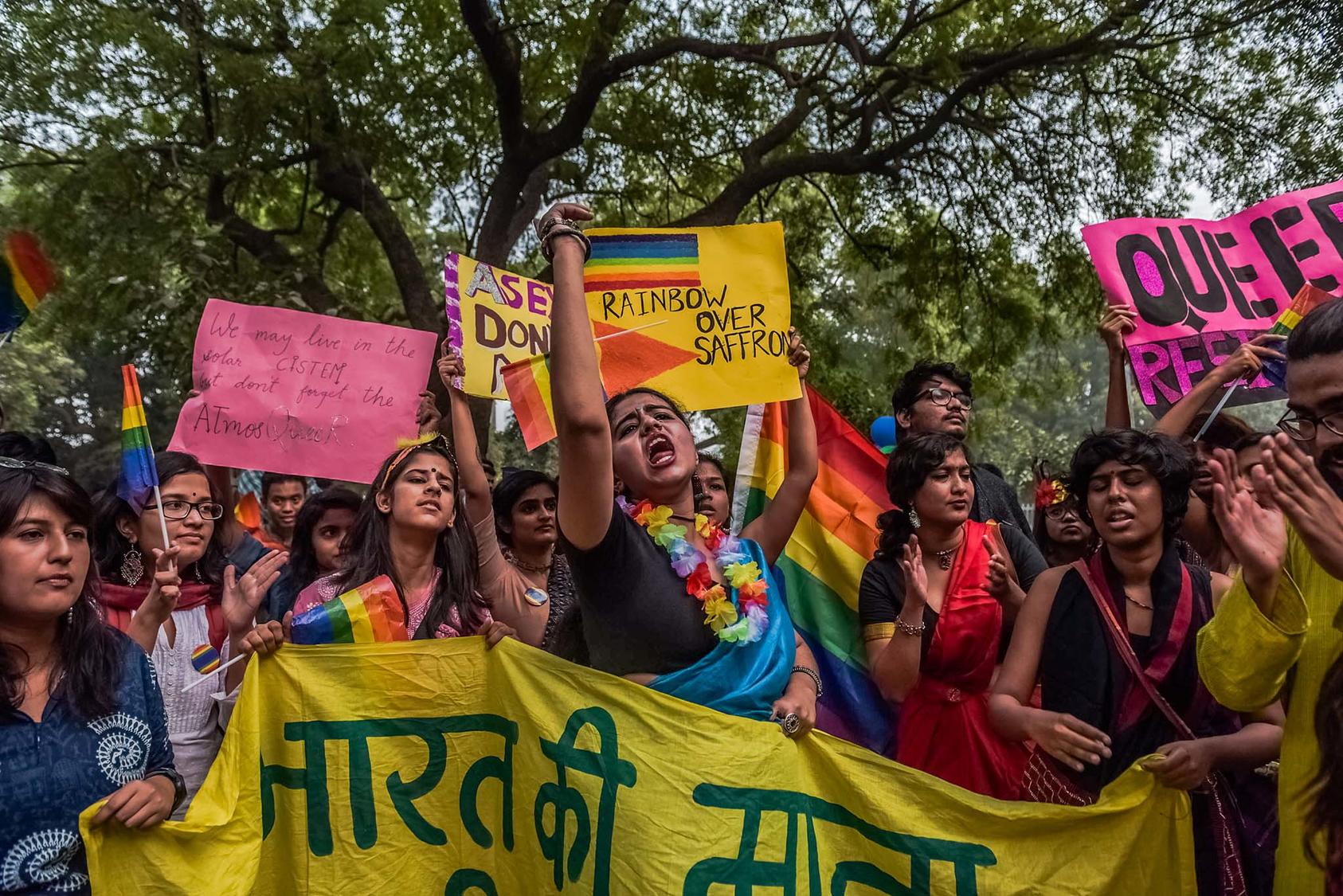
The world over it has been recognized that for the rights of transgender and intersex persons to be recognized, one of the first things needed is legislation that would recognize their right to gender identity without medical or psychological documents. A transgender or intersex person shall not be required to provide proof of a surgical procedure for total or partial genital reassignment, hormonal therapies or any other psychiatric, psychological or medical treatment to make use of the right to gender identity. The Yogyakarta Principles were adopted in 2007 are principles on the application of International Human Rights Law in relation to Sexual Orientation and Gender Identity. Principle 3 of the Yogyakarta Principles talks about the Right to Recognition before the Law. It states that each person’s self-defined sexual orientation and gender identity is integral to their personality and is one of the most basic aspects of self-determination, dignity and freedom. No one shall be forced to undergo medical procedures, including sex reassignment surgery, sterilization or hormonal therapy, as a requirement for legal recognition of their gender identity. It also provides that States shall take all necessary legislative, administrative and other measures to fully respect and legally recognize each person’s self-defined gender identity and ensure that procedures exist whereby all State-issued identity papers which indicate a person’s gender, including birth certificates, passports, electoral records and other documents reflect the person’s self-determined gender identity.

KeyWords: Gender, equality, sexual minority, dignity, self-determination.

Privacy protection in e-commerce from self-regulation perspective

Privacy protection in e-commerce from self-regulation perspective

Authors: Rishav Sengupta, Student of CHRIST (Deemed to be University), Bangalore

Best Citation – JIPSON JOSEPH, RIGHTS OF THE ACCUSED IN A RAPE CASE, Indian Journal of Legal Review (IJLR), 3 (1) of 2023, Pg. 370-376, ISSN – 2583-2344.­

Abstract

Internet was created in the year 1983 and since then internet serves as a platform for commercial transactions. To speed up commercialization, online commercial methods were developed. Over time, the internet expanded enormously, which boosted commercialization online. E-commerce is another name for online commerce. E-commerce has altered the conventional approach and brought all businesses and customers together under one roof where they can easily interact with one another. Privacy is a key component of e-commerce, and protecting the community’s right to privacy is critical. E-commerce increases the danger for consumers involved in e-commerce transactions while offering them little power to defend their right to privacy. Self-regulation is considered as a practical solution for maintaining consumer security and legal protection in e-commerce transactions. The United States places emphasis on a self-regulation model. India has not yet fully grasped the self-regulatory issue of preserving data privacy in e-commerce transactions. Business participants and consumers must act quickly to self-regulate in order to guarantee that consumers’ privacy rights are protected in e-commerce transactions.

SEZ IN INDIA: CURRENT TRENDS AND IMPACT ASSESSMENT ON SUNSET CLAUSE

SEZ IN INDIA: CURRENT TRENDS AND IMPACT ASSESSMENT ON SUNSET CLAUSE

Authors: SHAFALI JAIN, Student of CHRIST (Deemed to be University), Bangalore

Best Citation – JIPSON JOSEPH, RIGHTS OF THE ACCUSED IN A RAPE CASE, Indian Journal of Legal Review (IJLR), 3 (1) of 2023, Pg. 362-369, ISSN – 2583-2344.

Abstract

Many developing nations have embraced special economic zones (SEZs) as a tool for policy to encourage industrialization and economic development. The World Development Report 2020 acknowledges the potential of SEZs as a tool for facilitating participation in the global value chain. SEZs in developing nations have had a generally mixed record as a “high-risk, high-reward” device. Some countries or regions have drastically different results. An SEZ is intended to support market forces by assisting in the resolution of market imperfections as a tool for industrial policy. Even when a zone approach is required and practical, the host government must still choose which kind of zone is best. SEZs frequently entail a “special” legal and regulatory framework, and they may be acceptable if the primary restrictions are connected to legal and regulatory difficulties that, in addition to other constraints, have an impact on the business environment. Following the current trends, the paper entails the implication of government withdrawal on its schemes and sunset clauses as well as impact assessment of the sunset clause.

Keywords: Special Economic Zone, Industrial Development, Industrialization, Development Strategy

PERILS AND DEMURS OF INDIAN PRISONERS

PERILS AND DEMURS OF INDIAN PRISONERS

Authors: E. Sindhu Varshini, Student of Chennai Dr. Ambedkar Government Law College

Best Citation – E. Sindhu Varshini, PERILS AND DEMURS OF INDIAN PRISONERS, Indian Journal of Legal Review (IJLR), 3 (1) of 2023, Pg. 356-361, ISSN – 2583-2344.

ABSTRACT

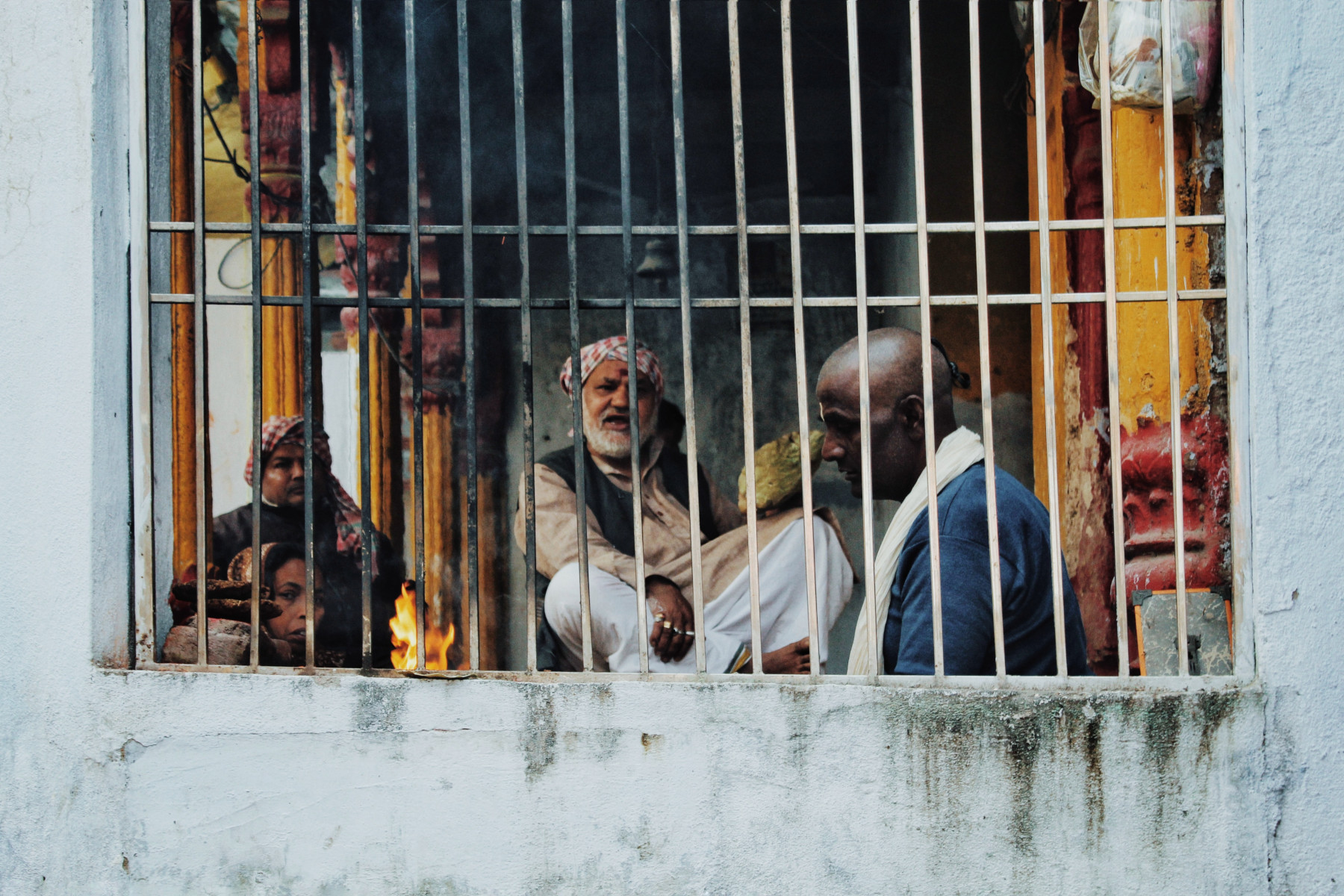
In Jail there are different types of Prisoners such as under trial prisoners, convicts, detenues[1], women and other genders these people are also victim of prison life in India, they face harassment and exploitations which are hellacious on human life. There has been great advantage and disadvantage of Article 22 in India. Such as, Article 22 states that it has right against arrest and detention. Whereas, its own clause 3 paves way for illegal detention in India provoking ill-mannered, felonious and unlawful acts towards the prisoners and accused. Today the deprived living of Prisoners inside the Jail is the indicia that the constitutional provisions are turn about to be unconstitutional facing custodial rape, abuse, torture, death, unhealth, overcrowding of prisoners in Jail. All prisoners are entitled to basic fundamental rights and dignity inside the jail anybody acting against this need to be effectively punished and revivified to Prisoners to live with decency. We need to create awareness and voice out so that we can create better society with free bird and other citizens commonly for our generation.


[1]BATES, S.: “Prison Administration,” Ann. Amer. Acad. 157: 53-61 (Sept., 1931).

PROHIBITION OF PYRAMID SCHEMES AND REGULATION OF DIRECT SALES IN INDIA

PROHIBITION OF PYRAMID SCHEMES AND REGULATION OF DIRECT SALES IN INDIA

Authors: Shruthi Saravanan & Maanas Manoj Menon, Students of Symbiosis Law School, Hyderabad

Best Citation – Shruthi Saravanan & Maanas Manoj Menon, PROHIBITION OF PYRAMID SCHEMES AND REGULATION OF DIRECT SALES IN INDIA, Indian Journal of Legal Review (IJLR), 3 (1) of 2023, Pg. 348-355, ISSN – 2583-2344

ABSTRACT

Pyramid schemes will progress and not cease to exist as long as new participants continue join at the bottom level to keep expanding the pyramid’s foundation. The overall structure starts to collapse when the number of viable and willing participants recedes. Pyramid schemes cannot survive for a substantial duration, as the design/structure solely depends on the perpetual recruitment by the participants. Further, due to the delay in payments made by the new recruits, at times, even the top-level members tend to incur heavy financial loss. This nature of the pyramid scheme threatens to destabilize the financial assets of individuals and as a result, pose as a threat to the economy.  The paper analyses the Consumer Protection (Direct Selling) Rules, 2021 (herein, referred to as the ‘2021 guidelines’) to widen the difference between illegal pyramid schemes and legal direct selling entities. Additionally, the paper analyses the improvements brought by the 2021 guidelines compared to the Direct Selling Guidelines, 2016 (herein, referred to as the ‘2016’ guidelines’).   The paper has also objectively studied the 2021 guidelines and the Consumer Protection Act, 2019 side by side to derive express and implied liabilities of direct sellers and entities. Finally, a comparative analysis of the laws of Singapore and India pertaining to the subject matter to figure out the scope for development of the provisions laid down by the Central government has been comprehensively discussed in the paper.

RIGHTS OF THE ACCUSED IN A RAPE CASE

RIGHTS OF THE ACCUSED IN A RAPE CASE

Authors: JIPSON JOSEPH, Student of CHRIST (Deemed to be University), Bangalore

Best Citation – JIPSON JOSEPH, RIGHTS OF THE ACCUSED IN A RAPE CASE, Indian Journal of Legal Review (IJLR), 3 (1) of 2023, Pg. 339-347, ISSN – 2583-2344.

Abstract

Rape is a man’s physical interference into the most sacred space of a woman without her permission. Rapist should be given maximum of punishment. The dignity of the woman needs to be protected by the society. But at the same time, there is an alarming increase in the number of false allegations of rape in the post 2013 society. Some women falsely accuse men of rape due to some other reasons. The accused men, as a result, lose their reputation, dignity, and peaceful life, which should be a matter of serious concern for the entire society. Some women utilise the measures provided for their protection to revenge their enemies. Until the final verdict, the accusation is in a shadow of doubt. Rape being considered as one of the most heinous crimes, the accusation and the then exposition of the identity of the accused itself is the most severe punishment than the real conviction at a later point of time. As the fake rape cases are increasing day-by-day there is the need to address its consequences and also the importance of protecting the rights of the accused until the final verdict in a rape case.