AI-Facilitated Economic Abuse in Intimate Relationships: Legal Protection and Remedies in India
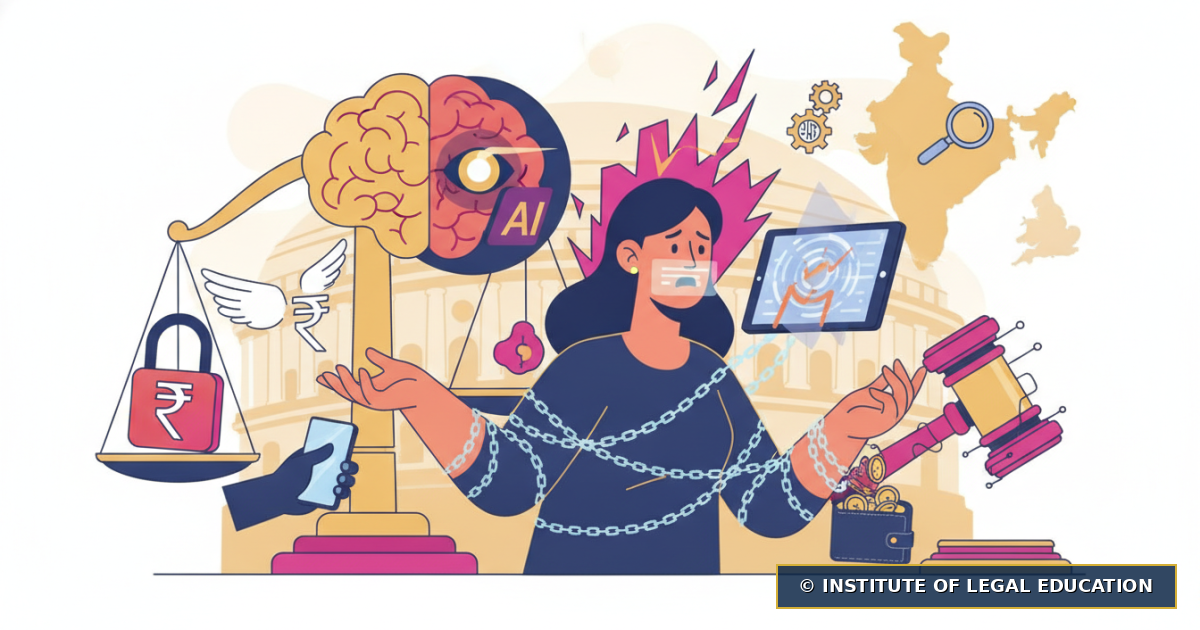
Economic abuse can leave a woman with an income on paper but little control over how she earns, spends or saves it. Artificial intelligence may assist an intimate partner in maintaining that control through impersonation, synthetic threats or the analysis of personal financial information. Indian law already recognises economic abuse, yet recognition does not settle who can obtain protection, how the conduct can be proved or which order will prevent` further loss. This paper examines those questions through doctrinal analysis of Indian legislation and judgments, supported by research on economic and technological abuse. A limited comparison with England and Wales helps assess possible reforms. The paper argues that the immediate difficulty is the uneven availability and practical use of existing remedies. It distinguishes AI-assisted conduct from ordinary misuse of digital accounts and separates proof of a record from proof of responsibility for it. Its contribution is a structured inquiry connecting the qualifying relationship, the economic interference, the available evidence and the relief sought. Targeted procedural guidance, proportionate preservation of records and effective interim orders offer a defensible response. Any wider statutory reform should address an identified gap and preserve safeguards against unsupported allegations. The analysis distinguishes current law from provisions awaiting commencement as at 14 November 2026.