
Misuse of Generative AI in Cyber Crimes: Deepfakes, Identity Theft, and Online Fraud
Abstract
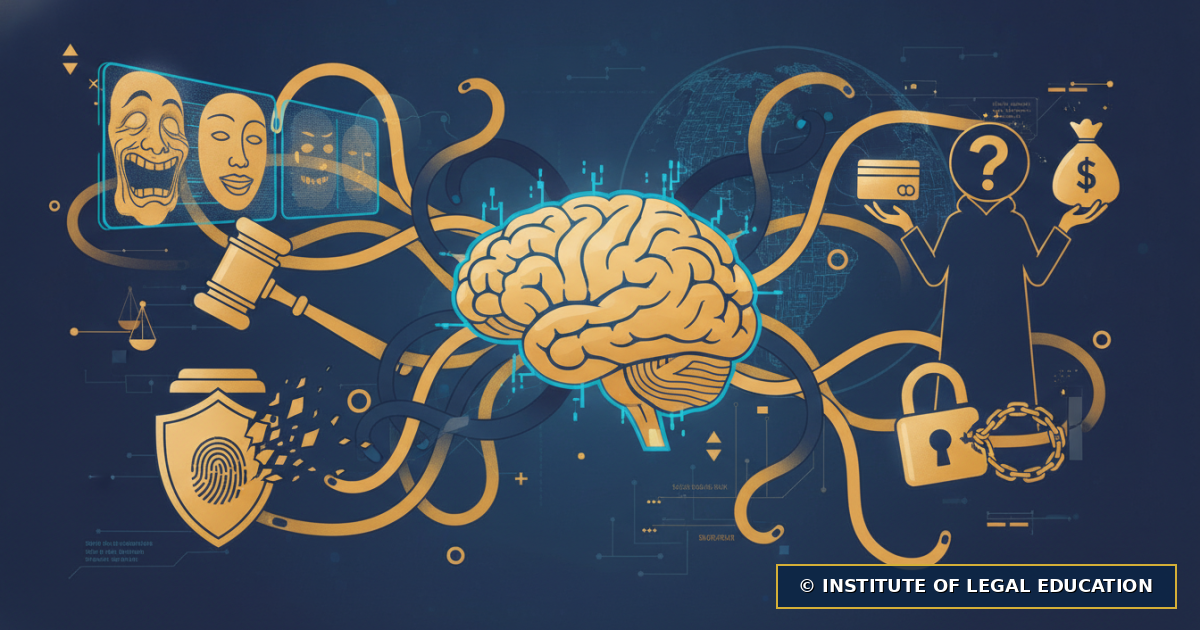
The rapid democratization of generative artificial intelligence (GenAI) has precipitated a structural transformation in the cyber threat landscape. Unlike traditional discriminative machine learning systems designed to classify or predict patterns, generative architectures—including Generative Adversarial Networks (GANs), diffusion models, neural audio codecs, and Large Language Models (LLMs)—synthesize high-fidelity text, audio, imagery, and video that are increasingly indistinguishable from authentic human output. This paper examines the weaponization of generative AI across three interconnected domains of cybercrime: synthetic media and deepfake exploitation, biometric and synthetic identity theft, and hyper-personalized online fraud. It analyzes how generative tooling collapses the marginal cost of sophisticated social engineering, bypasses legacy authentication safeguards, and facilitates “Crime-as-a-Service” ecosystems. From a legal and doctrinal perspective, the study evaluates the friction between emerging synthetic threats and existing statutory frameworks across the United States, the European Union, and India, while addressing constitutional constraints under free speech jurisprudence and evidentiary vulnerabilities in judicial proceedings, notably the “liar’s dividend.” Finally, the paper proposes an integrated governance framework combining cryptographic content provenance, heightened Know-Your-Customer (KYC) verification standards, and targeted statutory reforms to restore epistemic trust and accountability in digital ecosystems.