ACCESS TO KNOWLEDGE AS A HUMAN RIGHT: COPYRIGHT, ACCESSIBILITY, AND PERSONS WITH DISABILITIES IN INDIA
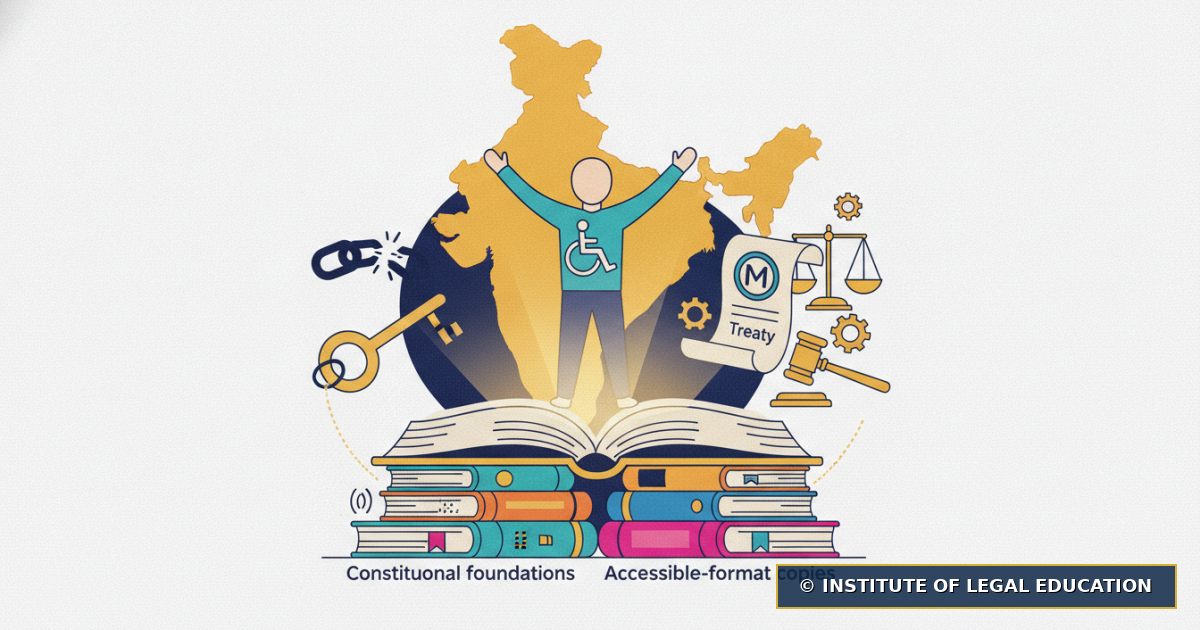
Access to published works is essential to education, independent living, cultural participation and the exercise of human rights. Yet conventional print formats and copyright-related barriers have historically restricted the ability of persons with disabilities to obtain and use books and other published materials. This article examines India’s response through the Copyright (Amendment) Act, 2012, particularly sections 52(1)(zb), 31B and 65A of the Copyright Act, 1957, and India’s ratification of the Marrakesh Treaty in 2014. It considers the constitutional and international human-rights foundations of accessible information, the statutory mechanisms for producing and distributing accessible-format copies, and the relevance and limits of judicial decisions concerning education and disability rights. The article argues that the statutory framework is significant but does not, by itself, secure effective access. Digital rights management, the limited availability of born-accessible publications, language and technology barriers, uneven institutional capacity and lack of awareness continue to affect implementation. It concludes that accessibility must be treated as an integral feature of publishing, education and public information systems, rather than as a remedial service dependent on individual requests.