Access to Motor Accident Compensation in India: Legal Barriers and the Role of Claims Tribunals
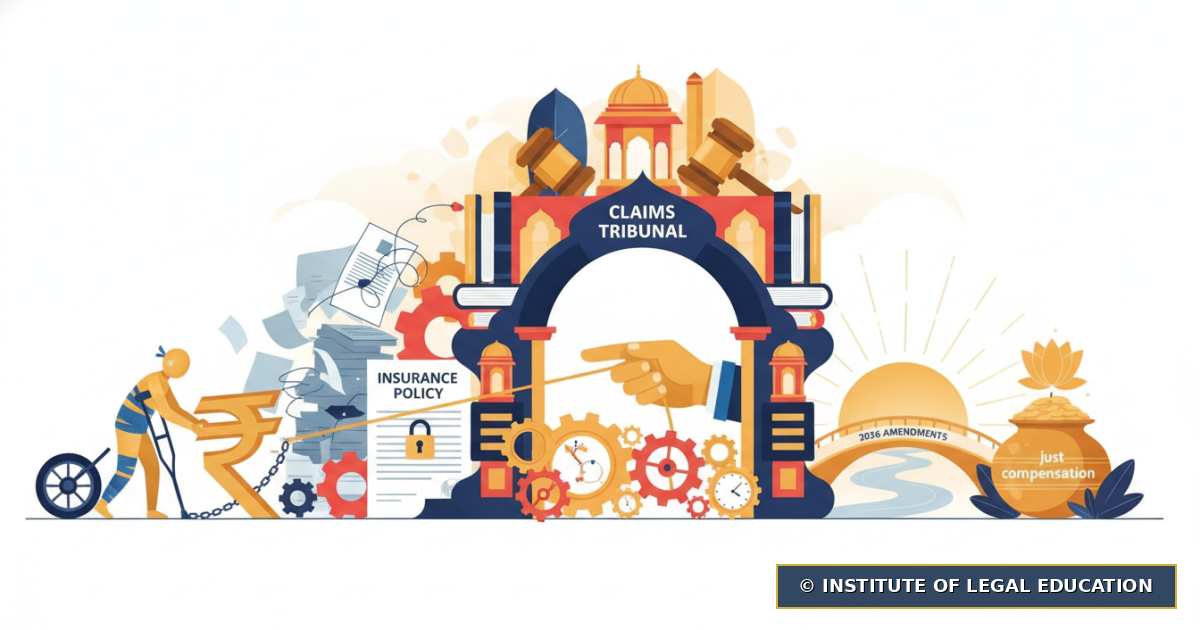
An award of compensation does not necessarily bring financial relief to a motor accident victim. The claimant may have struggled to obtain records, establish earnings or prove the effects of an injury, only to face further difficulty when payment falls due. This paper examines the connection between these stages under India's motor accident compensation framework. Through doctrinal research, it considers the Motor Vehicles Act, the relevant procedural rules and selected Supreme Court decisions, alongside published studies of injury-related expenditure. The discussion includes the 2026 amendments concerning delayed applications and the disposal of claims. It argues that access to compensation depends on how institutions perform their duties throughout the proceeding. Flexible rules of proof cannot cure an unsupported assessment of income, while a properly calculated award remains incomplete as practical relief until the money is available to the claimant. The analysis supports early identification of evidentiary difficulties, explanations for disputed valuations and continued supervision of payment. It also examines the limits of these measures: assistance must preserve the respondent's opportunity to challenge a claim, settlement requires informed consent and safeguards over awarded money must respond to the beneficiary's circumstances. The proposed reforms focus on responsibility for the points at which a claim stops progressing. Their purpose is to connect the legal recognition of loss with a remedy that the injured person or bereaved family can use.