
Algorithmic Morality: How Artificial Intelligence Is Reshaping Ethics and Moral Reasoning in Law
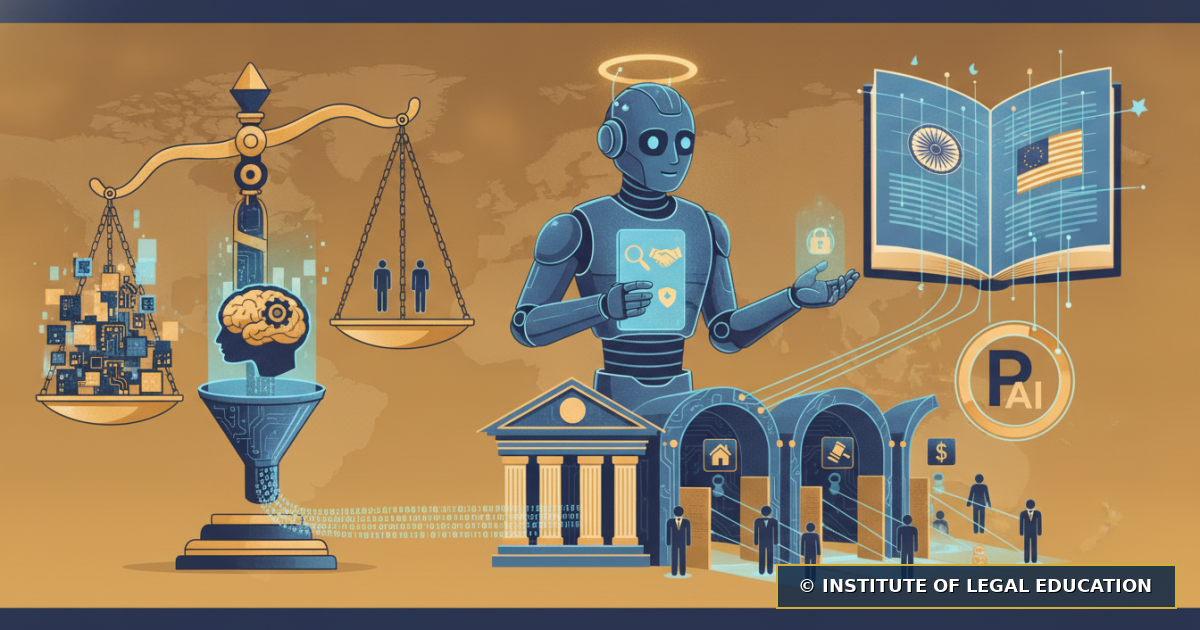
Artificial intelligence is today determining issues that were previously determined by human discretion such as whether an individual should be granted bail, employment, credit, social benefits, and even how compelling a legal argument may be. This paper discusses how AI impacts our understanding of ethics and moral responsibility, and whether laws have kept up. Applying the doctrinal methodology, which implies an analysis of legal provisions, judicial decisions, and other official documents, the paper analyses three modes of how AI transposes moral concerns into technology (delegation, embedding, and mediation). Then the three modes will be applied in five domains: (a) fairness; (b) opacity; (c) privacy; (d) responsibility; and (e) generative AI. The analysis applies the examples from India, European Union, and USA. Law is seen to function best where it operationalises moral standards into obligations, such as providing explanations, allowing for challenge of the decision, and testing the proportionality of the State action. Law functions worse where its reliance is exclusively on voluntariness. Finally, the paper concludes with five recommendations for reforms in India.