Medico-Legal Aspects and the Role of Forensic Science in the Administration of Criminal Justice
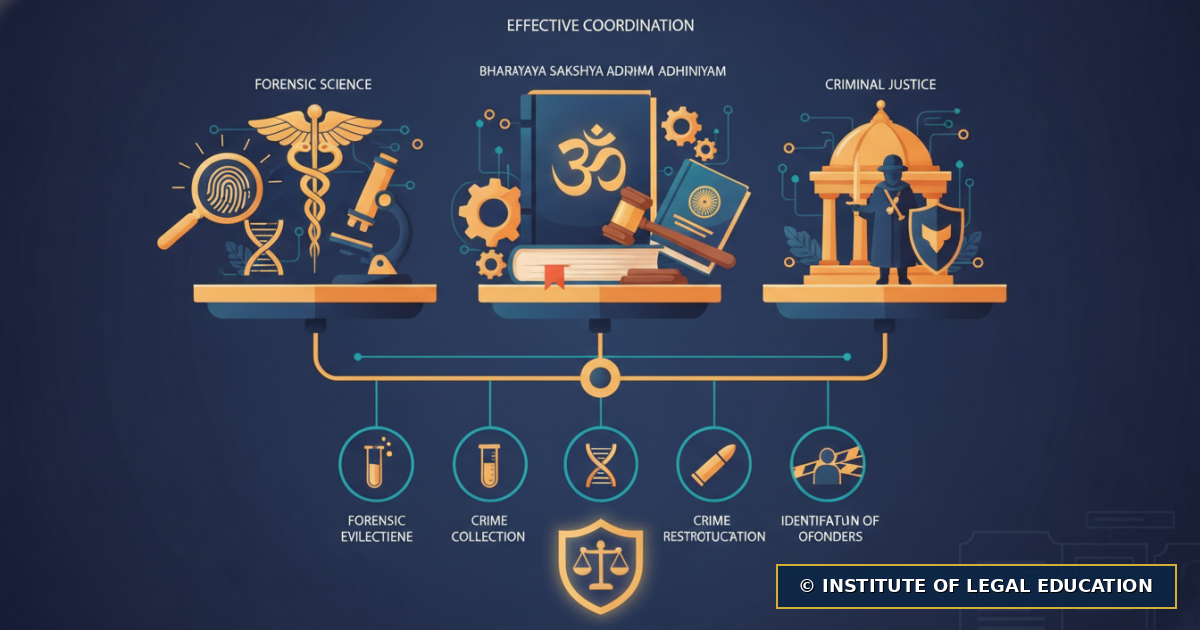
Medico-legal practice and forensic science play a significant role in the administration of criminal justice by facilitating the scientific examination, collection, preservation and evaluation of evidence. The effective coordination between medical professionals, forensic experts, investigating agencies and the judiciary is essential to ensuring fair and reliable criminal investigations. This article examines the relationship between medicine, law and forensic science, with particular emphasis on the procedures and legal principles governing medico-legal cases in India. It explores the role of forensic science in crime investigation, including the identification of offenders, reconstruction of crime scenes and establishment of relevant facts through scientific evidence. The article further analyses the importance of informed consent, confidentiality, proper collection and preservation of biological samples, and the evidentiary value of medical and expert opinions. Particular attention is given to the constitutional safeguards under Articles 20(3) and 21 of the Constitution of India, especially the protection against self-incrimination, privacy, dignity and personal liberty. It also examines the statutory developments introduced by the Bharatiya Nagarik Suraksha Sanhita, 2023, the Bharatiya Sakshya Adhiniyam, 2023 and the Bharatiya Nyaya Sanhita, 2023, alongside relevant judicial decisions. The article highlights that the recognition of scientific evidence alone is insufficient unless accompanied by appropriate procedural safeguards, scientific reliability and judicial scrutiny. It concludes that a balanced medico-legal and forensic framework is essential to strengthening criminal investigation while safeguarding individual rights and ensuring the fair administration of justice.