COPYRIGHT PROTECTION OF SONGS IN INDIA: OWNERSHIP, INFRINGEMENT AND EMERGING CHALLENGES
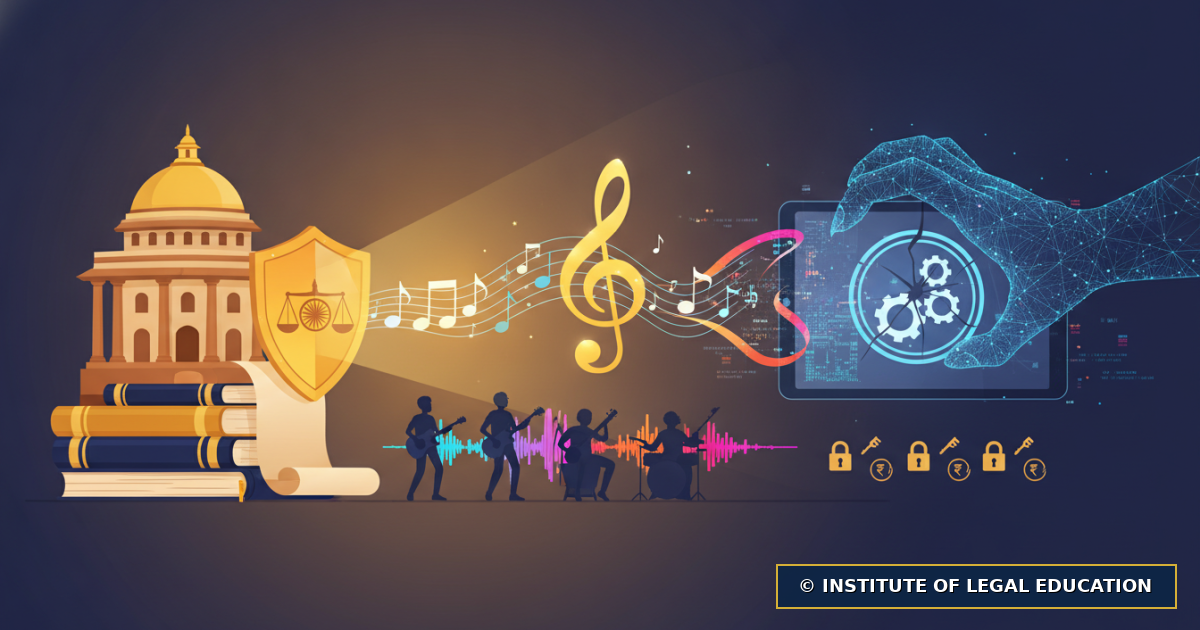
Music has long been an important form of artistic and creative expression. In contemporary society, music continues to play an important role in creative expression and commercial entertainment. A song consists of multiple creative elements, including lyrics, musical compositions, sound recordings and performances, each of which may receive protection under copyright law. The growth of digital platforms has created new opportunities for music creators while also increasing the risks of unauthorized use and copyright infringement. This article examines the protection afforded to musical works under the Copyright Act, 1957, including literary works such as lyrics, musical compositions, sound recordings and the performer's rights of singers and musicians. This act also provides rights and protection related to ownership, licensing, assignment and royalties. The involvement of multiple stakeholders, including lyricists, composers, singers, performers and music producers or record labels, often creates complexities in determining copyright ownership and control, as different rights may vest in different individuals or entities. The article also analyses various forms of copyright infringement, including unauthorized reproduction, adaptations, remixes, sampling, music piracy and the unauthorized use of copyrighted music on digital and social media platforms. It further examines the concept of substantial similarity and the judicial approach towards determining infringement. The article further highlights emerging challenges arising from music streaming platforms, social media, digital piracy, remix and sampling culture, AI-generated music and AI-based voice cloning, along with uncertainties surrounding ownership, royalty distribution and copyright enforcement. The article aims to evaluate whether the existing Indian copyright framework adequately protects the rights of music creators in the evolving digital environment. It also examines the need for stronger enforcement mechanisms, clearer contractual arrangements and effective protection of creators' economic and moral rights.